

Home / Event photography / Choosing your photographer
How to choose an event photographer
Start with photographs from events like yours, then ask how the photographer works, what the quote includes and when you’ll receive the finished images. The right choice should suit both the photographs you want and the experience you want your guests to have.
Whether you’re organising an awards evening, a birthday party, a festival or a wedding, here’s what I’d look for before booking.
Start with what you need the photographs for
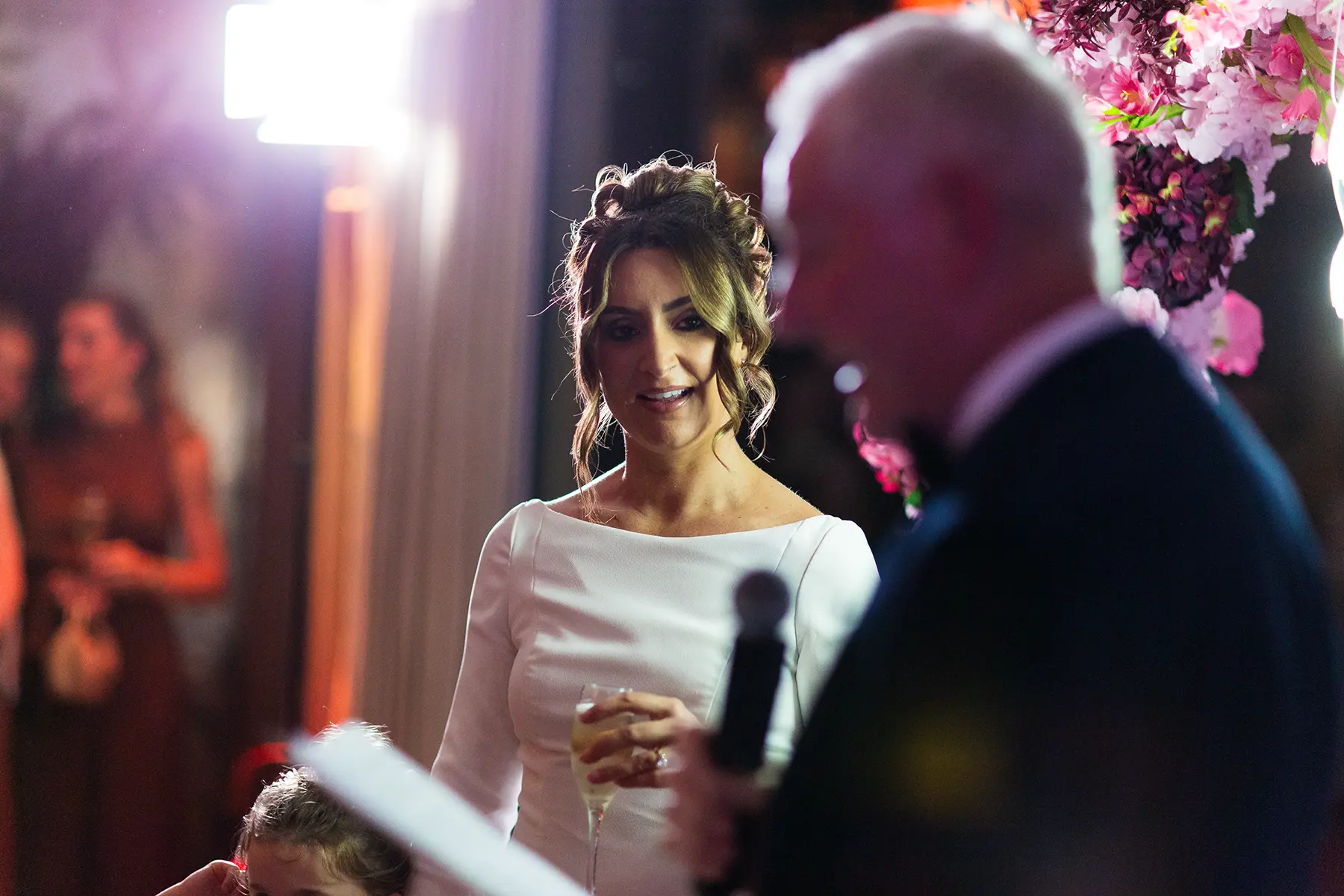
Before comparing photographers, write down what a successful set of photographs would give you. For a company event, that might mean speakers, guests, branding and images for next year’s promotion. For a family celebration, it could be the people who rarely get together, the speeches and a few organised group photographs.
Make a short list of the moments and people that matter most. Include timings, the venue, approximate guest numbers and where you expect to use the images. A photographer can give you a more useful response to that than to ‘How much for an evening?’
Think about the shape of the event, too. If the main presentation happens near the end, booking only the arrivals won’t cover it. If important activities happen in different rooms at the same time, raise that when discussing coverage.

Choose an approach that suits your event
Documentary or reportage photography follows what happens: conversations, reactions, movement and the details around the main action. Directed photography involves arranging people or setting up a particular image. Commercial coverage may put more emphasis on products, branding and photographs with a specific marketing use.
Those approaches can work together. You might want natural coverage of a reception and a short session for team photographs, or an unposed record of a party with one photograph of everyone together. Ask how the photographer would balance those priorities and how much time any organised photographs would take.
My own work centres on documenting the occasion as it unfolds, with groups and lightly directed portraits where they suit your plans. You control that balance. Look through my event photography portfolio with your own event in mind, rather than choosing a style purely by its label.

Look beyond a handful of portfolio highlights
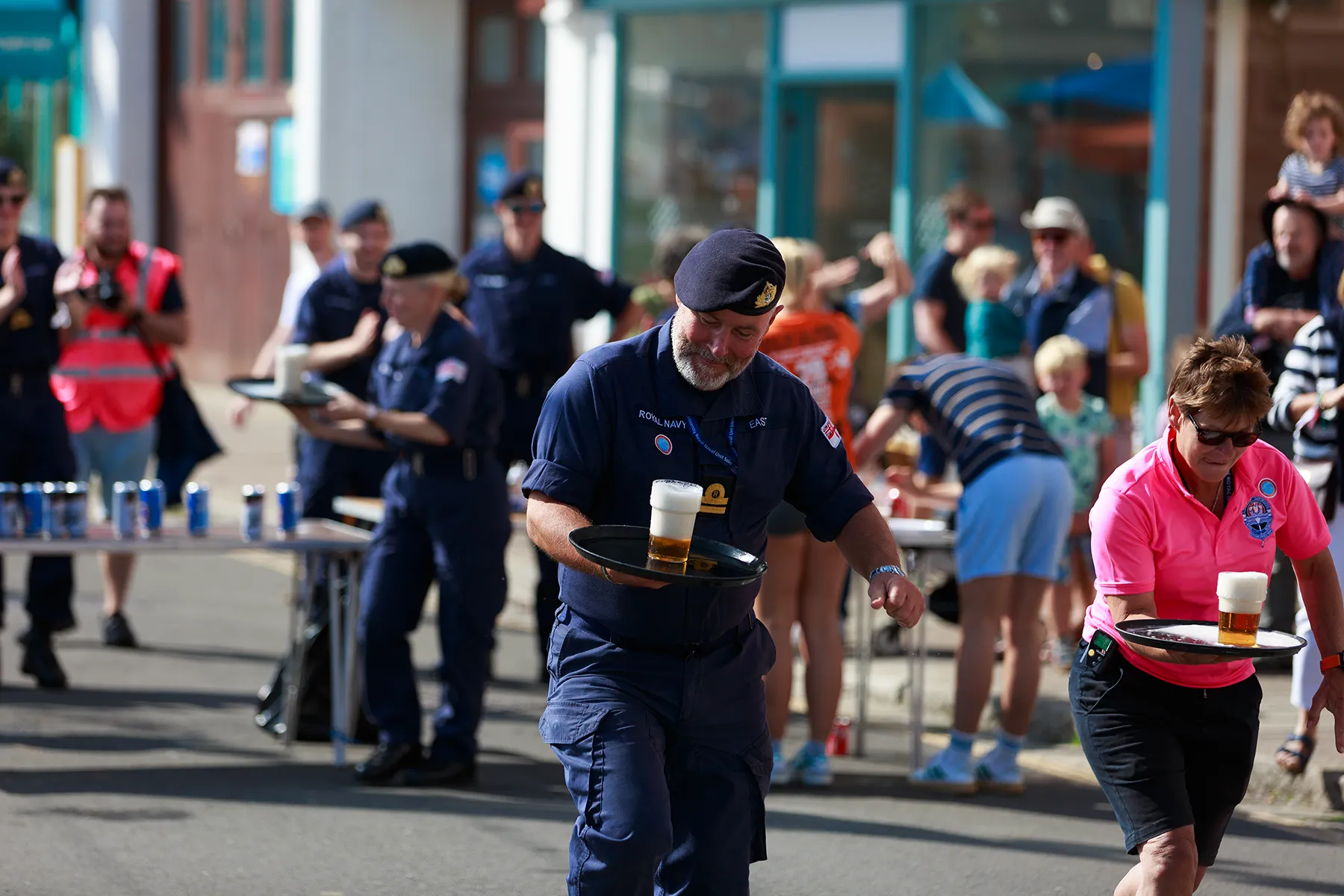
A strong opening photograph is useful, but a fuller event set tells you more. Look for consistency across arrivals, key moments, quieter interactions and the end of the evening. Are people photographed well throughout, or do only a few images stand out?
Choose examples with conditions similar to yours. A sunny outdoor party won’t tell you everything about photographing an awards dinner in a dim room. For a wedding, look at coverage across the relevant parts of the day; my wedding photography page explains that service separately.
Notice the editing as well as the subjects. Decide whether you like the colours, skin tones and balance of colour and black-and-white images. If the photographer’s finished work consistently looks different from what you want, discuss that before booking. An editing style is much easier to assess from examples than from adjectives.
Compare the whole quote and ask about backup
Compare quotes against the same brief. Check who will attend, the coverage times, what editing is included, how the photographs will be delivered and what you’re allowed to do with them. A price alone doesn’t tell you whether two offers cover the same job.
Ask when the finished photographs will be ready, and mention any earlier deadline for press, social media or a presentation. Get any agreed delivery arrangements in writing. You can use my event photography prices as a starting point for my non-wedding coverage.
It’s also reasonable to ask what happens if equipment fails or the photographer cannot attend, how files are protected and whether appropriate insurance documentation is available if your venue requires it. Read the booking terms, including payment, cancellation and rescheduling arrangements, before committing. Clear answers are part of choosing someone you can rely on.
Speak to the person who’ll be there
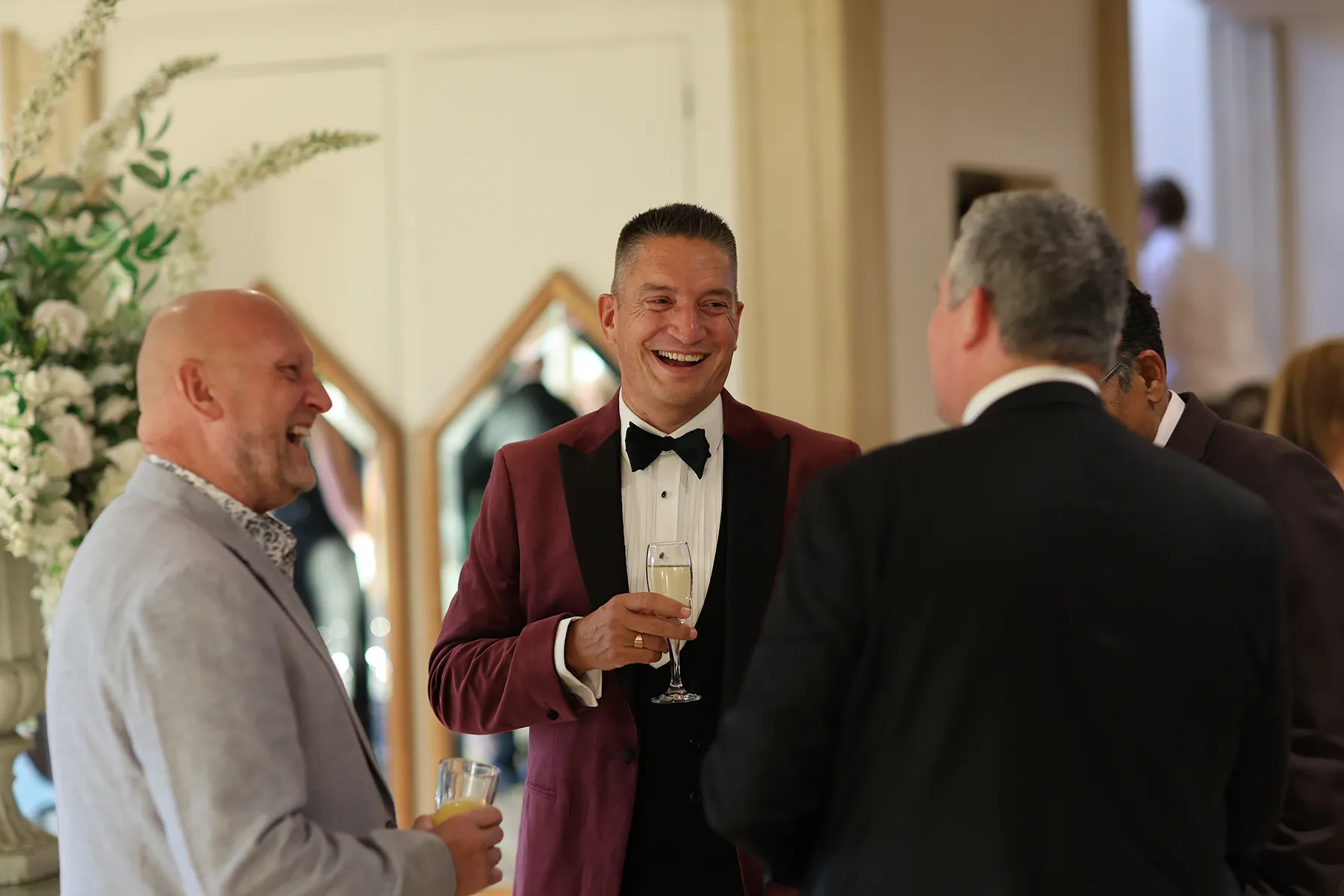
Your photographer will spend time around your guests, colleagues or family, so a conversation matters. Explain the atmosphere you’re aiming for and see whether they listen, ask useful questions and give clear answers. If you’re speaking to a company, confirm who will actually photograph your event.
Discuss anything that could affect how they work: a formal dress code, restricted areas, a tight schedule, guests who prefer not to be photographed or accessibility needs you want them to understand. You don’t need to plan every frame, but important requirements should reach the person behind the camera.
Read reviews for clues about communication and conduct as well as the finished photographs. Comments about making people comfortable, adapting to changes or handling group photographs can help you judge the working relationship. Use them alongside the portfolio and your conversation.
Your shortlist: five questions before you book
- Can I see a fuller set from an event with similar lighting and coverage?
- How would you balance natural coverage with the organised photographs I want?
- What exactly is included in the quote, and who will attend?
- When and how will I receive the images, and what uses are included?
- What are the backup arrangements and booking terms?
Once those answers are clear, choose the photographer whose work and approach fit your plans. For more about how I work, see my Essex event photography service, or send me your date, venue and outline timings to discuss coverage.
Written by Jonathan Owen, an event photographer with more than 20 years’ professional experience.